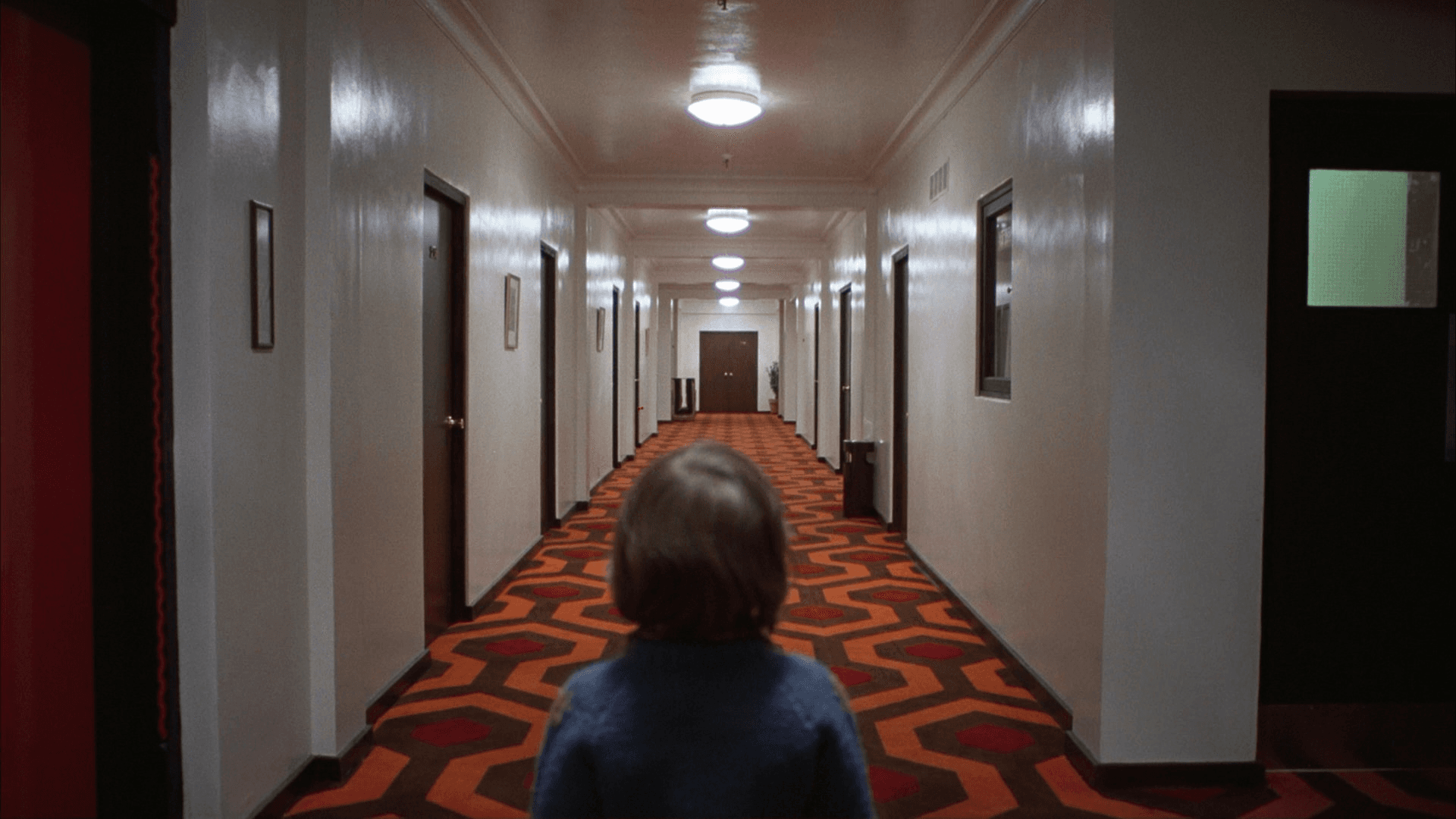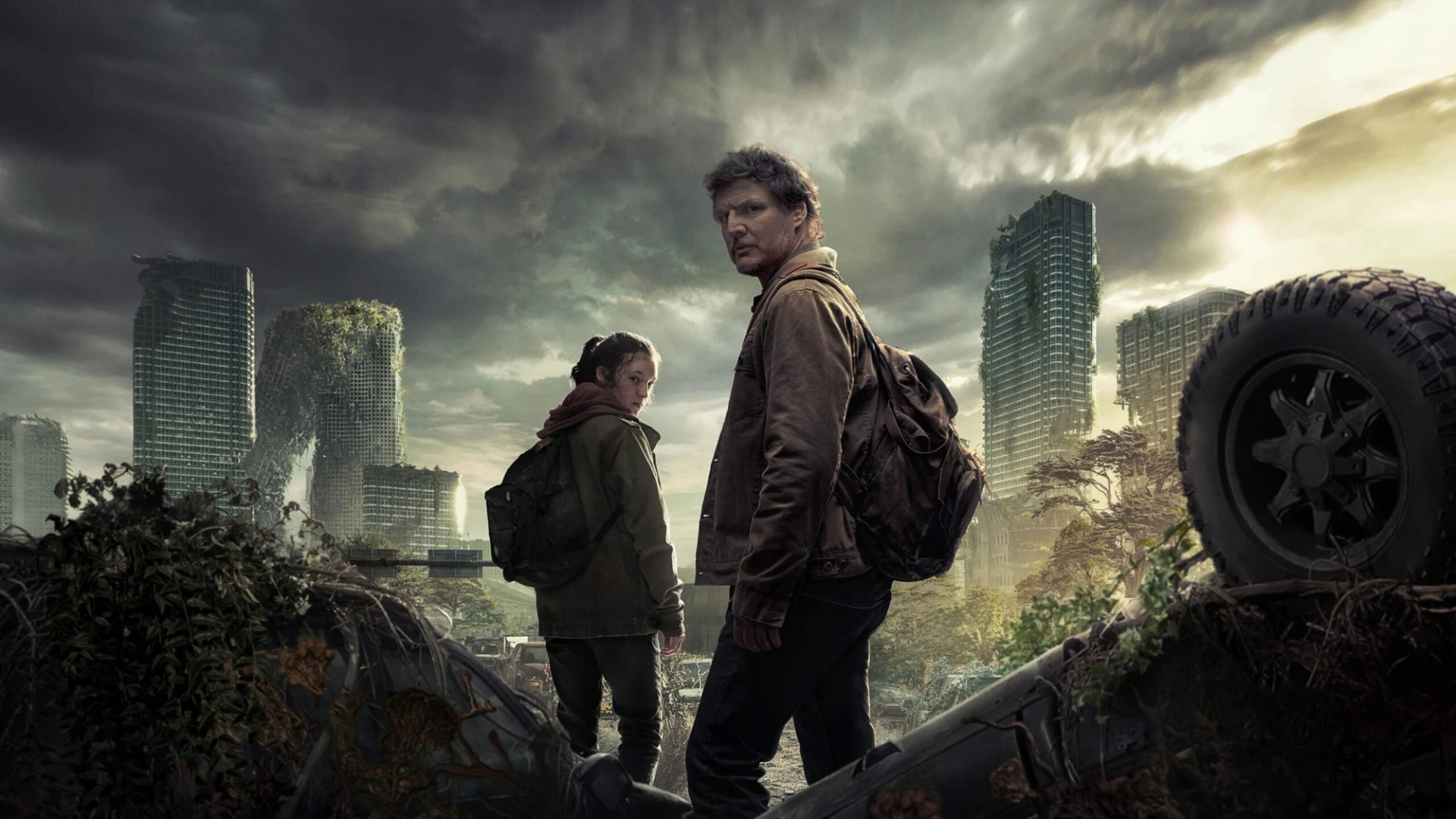
Chromatic Studio has worked on The Last of Us at three points: our Creative Director and Art Director as concept artists on The Last of Us Part II, the studio on the multiplayer project set in the same universe, and the studio again on key frames for Season 2 of the HBO series. Each time, the job was to work inside the franchise's strict visual rules.
Those rules are why The Last of Us looks the same whether you are holding a controller or watching HBO. Cities are abandoned, not blown apart. Nature takes them back slowly and in a believable order. Light and weather set the mood of a scene before anyone speaks.
One look from the game to the series
In the games and in the HBO adaptation, the environments exist to serve the story, not to show off. Damage has a cause and an age. Plants grow where water collects and where light reaches through a broken roof. A street left empty for twenty years should look different from one abandoned last winter.
That consistency is deliberate. The franchise has always researched how cities decay and how plants take hold, and the series carries the same thinking into live action. For a concept artist, every image has to pass two tests. It must look true to the world, and it must serve the scene.
Where our connection to The Last of Us began
Before Chromatic Studio, Jad Saber, now Creative Director, and Simeon Schaffner, now Supervising Art Director, were both concept artists on The Last of Us Part II.
That experience still shapes how the studio approaches the franchise. Having painted inside the world's rules, the team knows how far destruction can go before it stops feeling real, and how much plant life a room can carry before its history disappears.
Concept art for The Last of Us multiplayer project
Chromatic Studio later contributed to the visual development of the multiplayer project set in the same universe. The project was cancelled, but the work took the team into new locations and deepened its understanding of how materials age and how a space reads once it has been fought over and left behind. That knowledge fed directly into the studio's work on the series.
Key frames for Season 2 of HBO's The Last of Us
For Season 2, which adapts the story of the second game, Chromatic Studio supported post-production under VFX Supervisor Alex Wang. The team produced key frame images and environment designs to guide the VFX work.
The brief was believability. Each image had to settle how a shot is lit, what the weather is doing, how badly the location is damaged and how far nature has taken it back. The aim was to give the VFX teams the clearest possible reference to work from. A selection of these images is on our The Last of Us project page.
What a key frame does in VFX post-production
A key frame is a single, finished-looking image of a shot. It is more resolved than a sketch, and it is not the final frame. Its job is to fix the intent of the shot before the expensive work starts.
For a VFX supervisor, a strong key frame saves time. Every department works towards the same picture, and questions of tone are settled on one image instead of across weeks of shot work. That is why concept art for post-production depends on photographic realism and careful composition. Our film and TV concept art page explains how we support productions at this stage.
Making a reclaimed city believable
Plants do not grow at random. They follow water, light and cracks in a structure, and they take hold differently on concrete, brick, glass and steel. Respect that logic and a street tells the audience how long it has been empty without a line of dialogue.
Destruction follows the same rule. Every collapse needs a cause, whether weather, fire, time or fighting, and the debris has to land where it would really fall. When damage looks designed, audiences notice. Much of our environment concept art comes down to this kind of research.
Working on established worlds
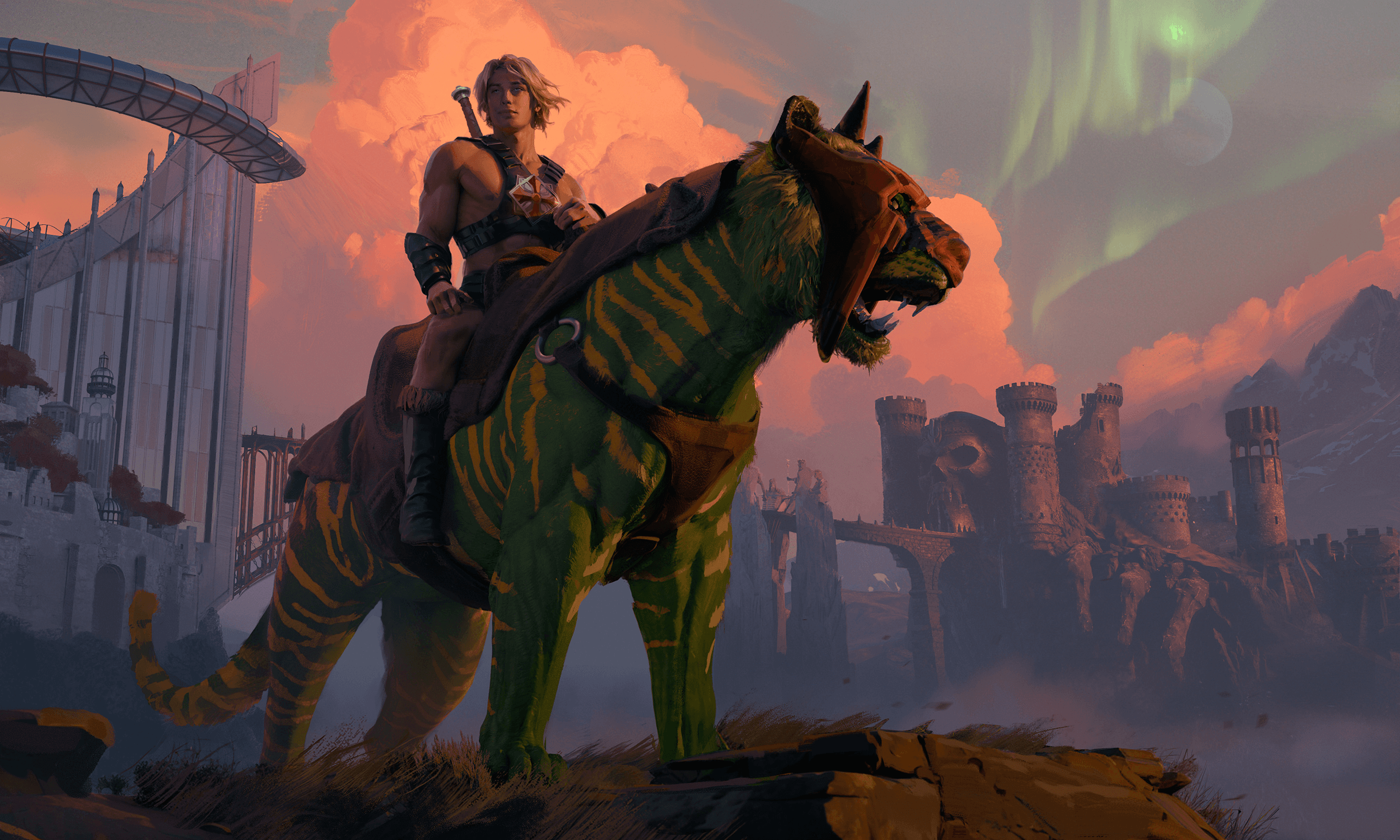
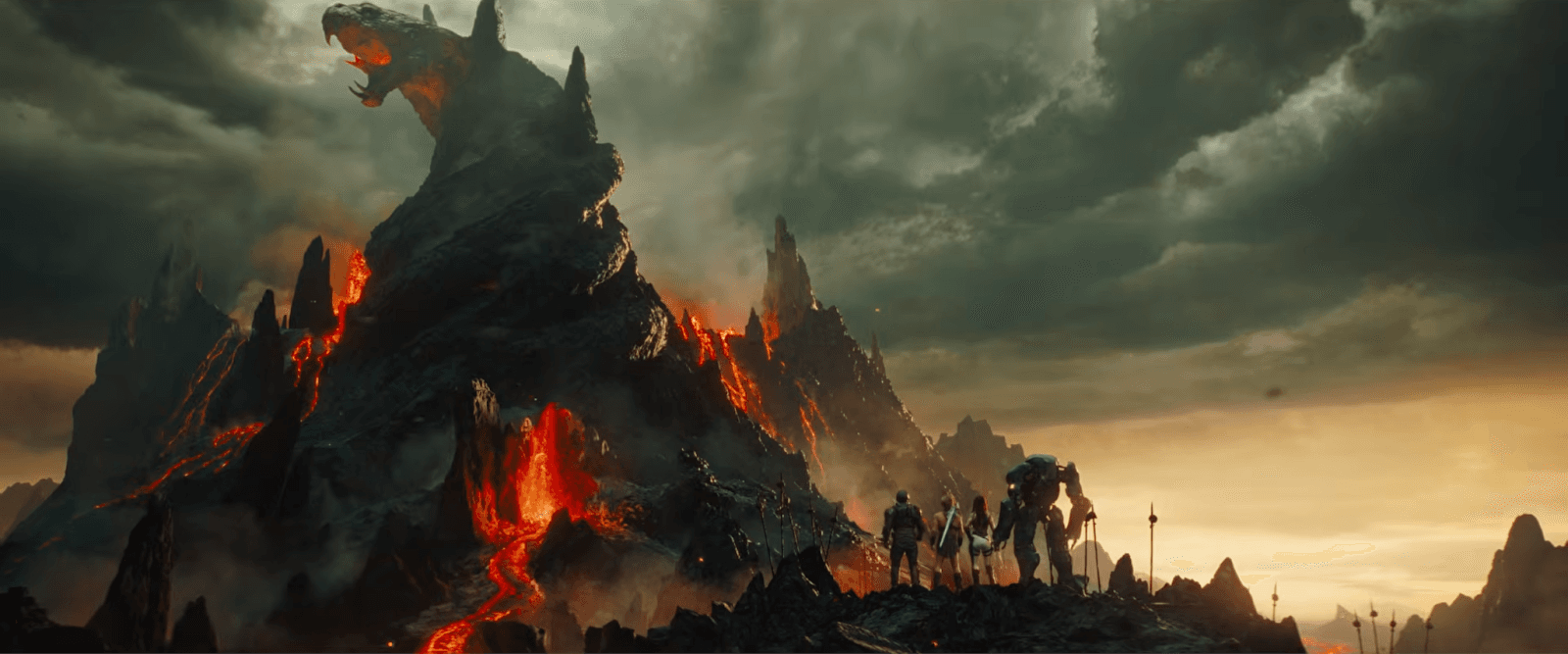
An established franchise asks for discipline. The job is to extend a world audiences already know, in the client's direction and to their standards, without imposing a new style. The same approach guided our work on HBO's Dune: Prophecy, the Masters of the Universe film for Amazon MGM and AAA games such as Apex Legends.
Chromatic Studio is a concept art studio in London, working with productions worldwide, and every project is led by one of our Art Directors. If you are developing a series, film or game and need a team that can work inside your direction from first exploration to post-production key frames, get in touch.