Character and creature design
Apex Legends · Respawn / EAFaction designs, silhouettes, costume breakdowns, turnarounds and 3D models.
We design characters, environments, props and key frames for games, built to read in play and delivered in 2D and 3D. Our game credits include Crytek's Hunt: Showdown, Respawn's Apex Legends, Playground Games' Fable and Naughty Dog's Intergalactic.






Four disciplines, one Art Director keeping every design consistent with your game.
Faction designs, silhouettes, costume breakdowns, turnarounds and 3D models.
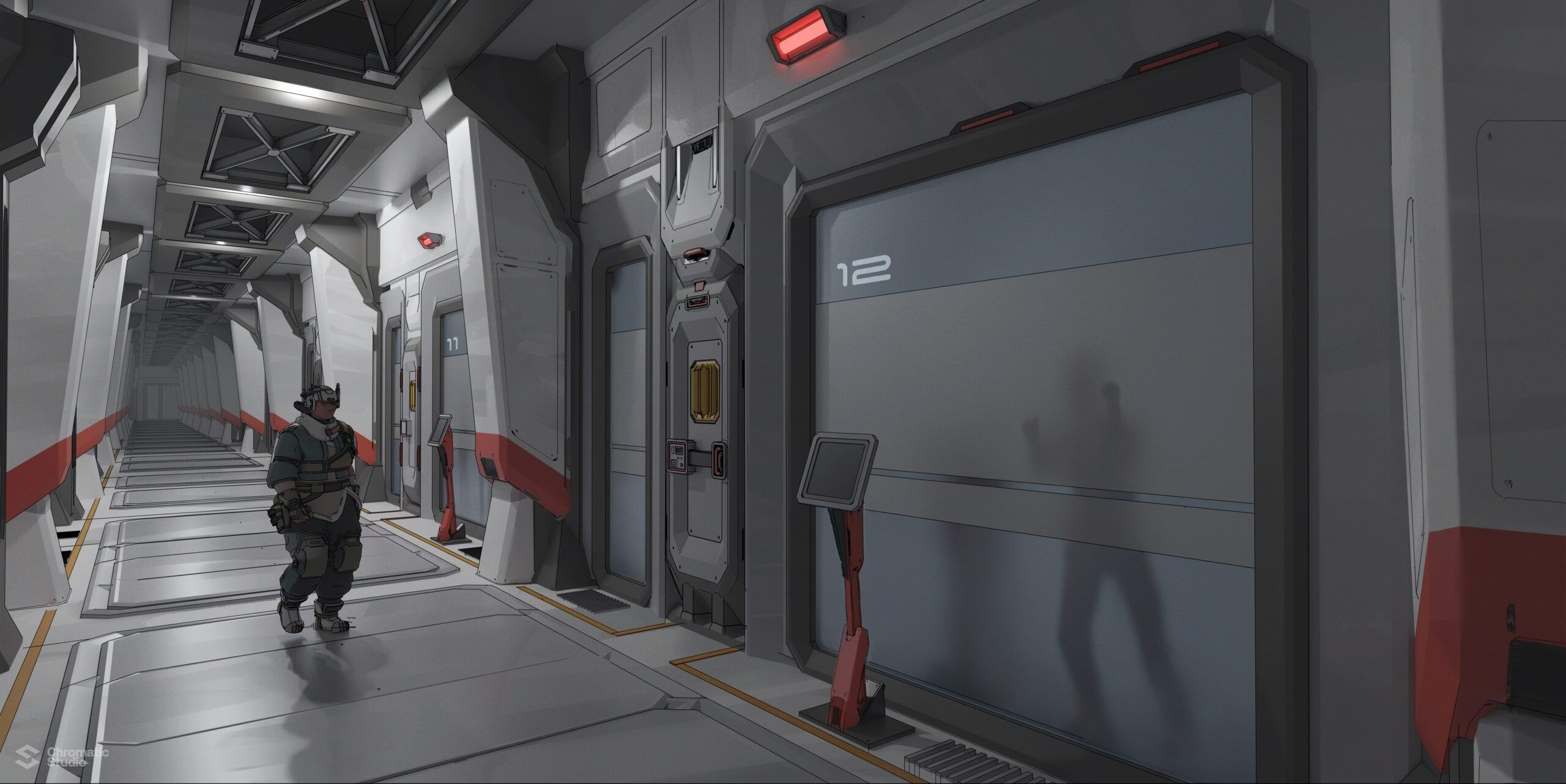
Map landmarks, biome studies, blockout paintovers and lighting keys.
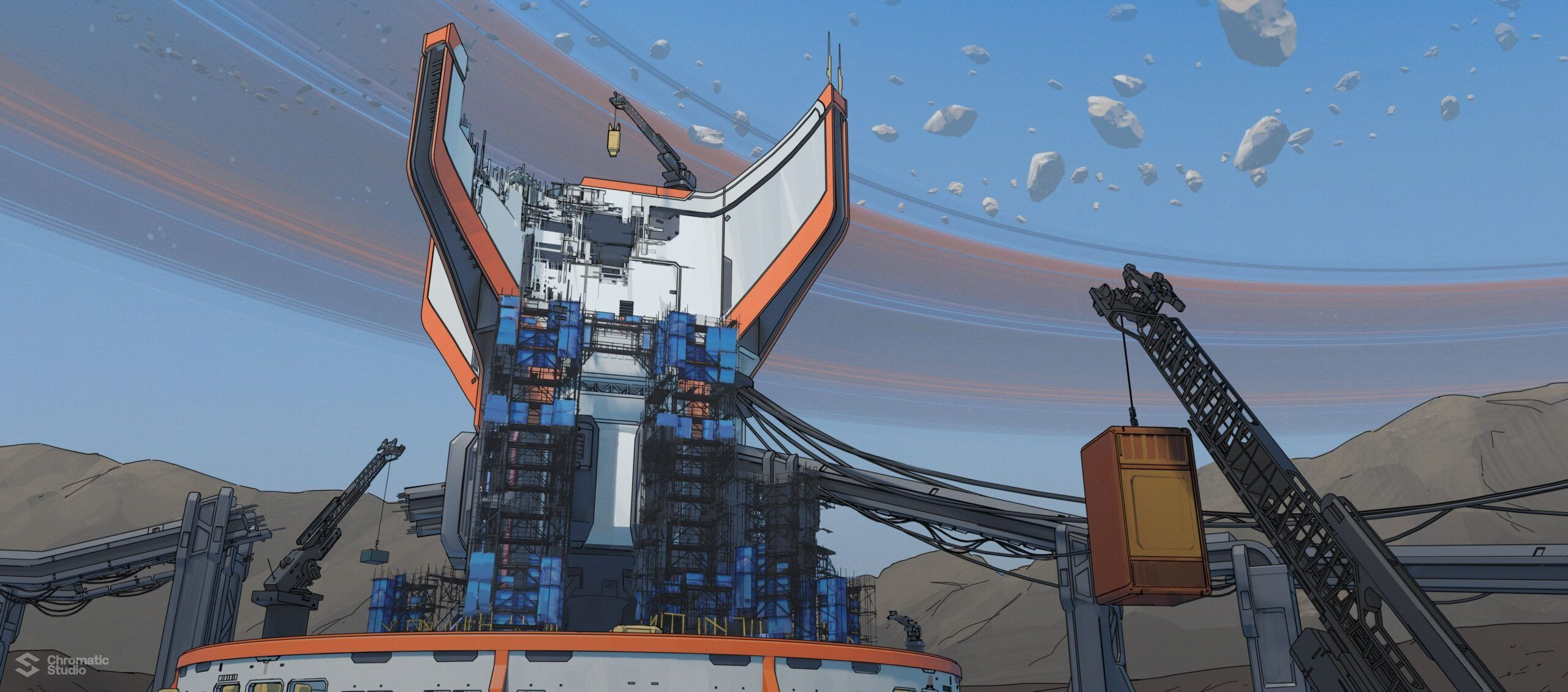
Functional designs with orthographics, scale references and material notes.
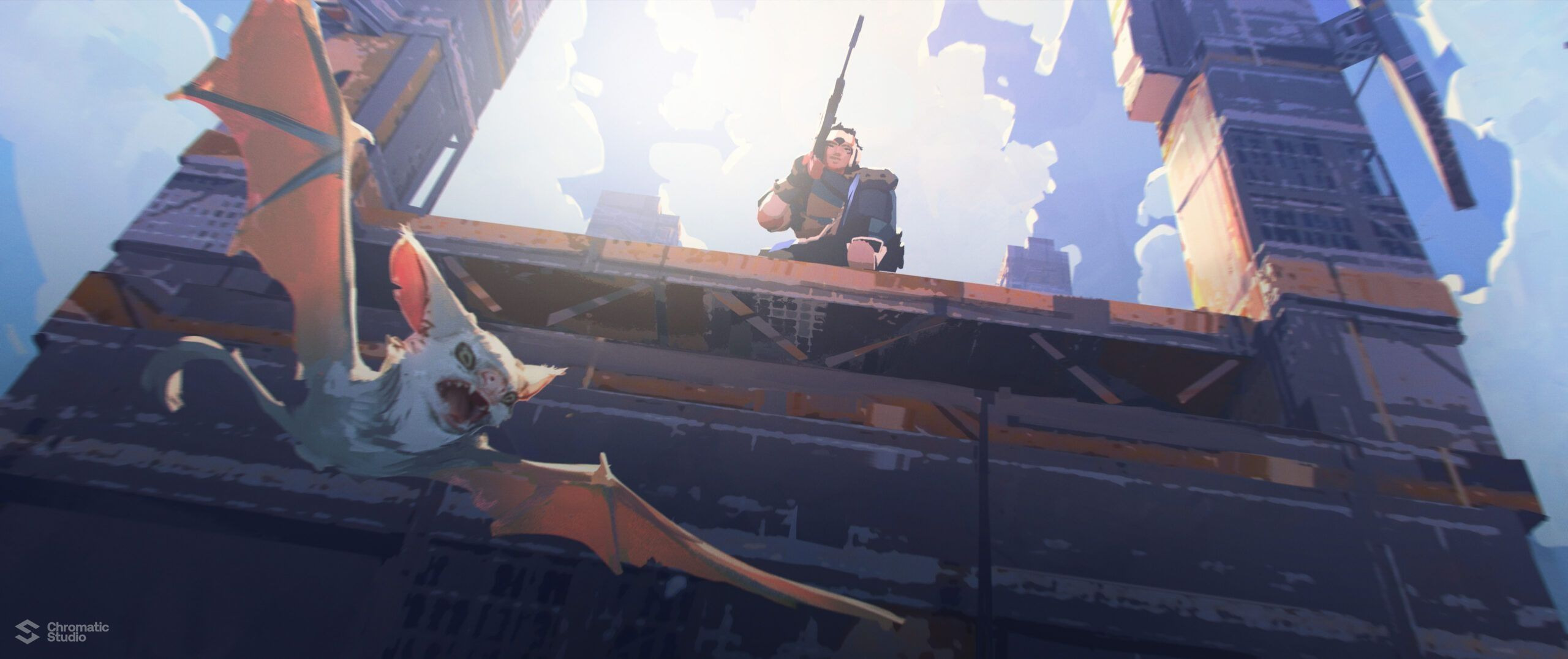
Moments that set the target for mood, lighting and colour, through to trailer frames.
Designed for play, built for your pipeline, from the first pitch to live service.
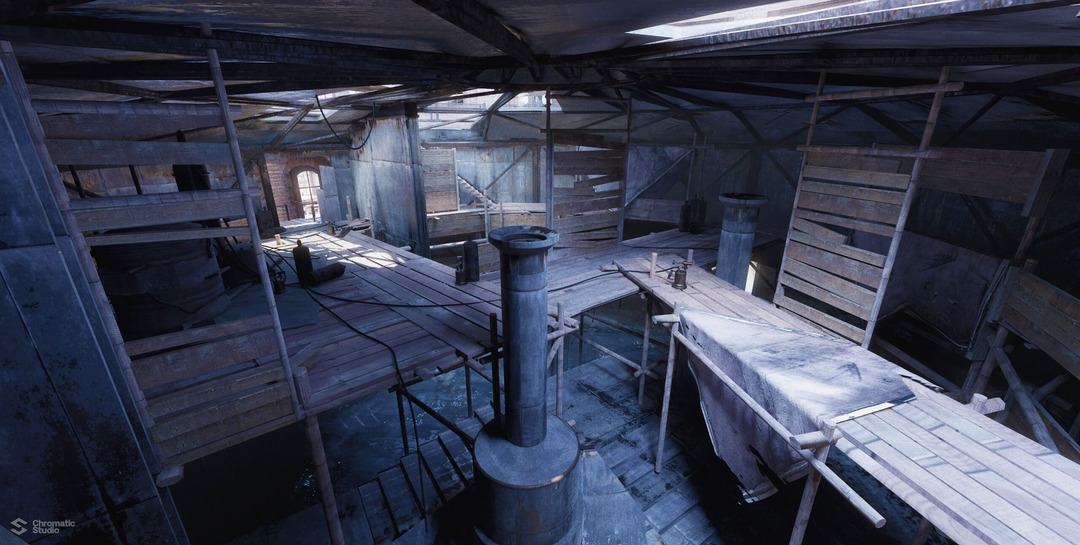
Game concept art has to work through a camera the player controls. We design for gameplay distance first: a silhouette you can read across a map, values that hold up in motion and shapes that tell the player what something is and what it does.
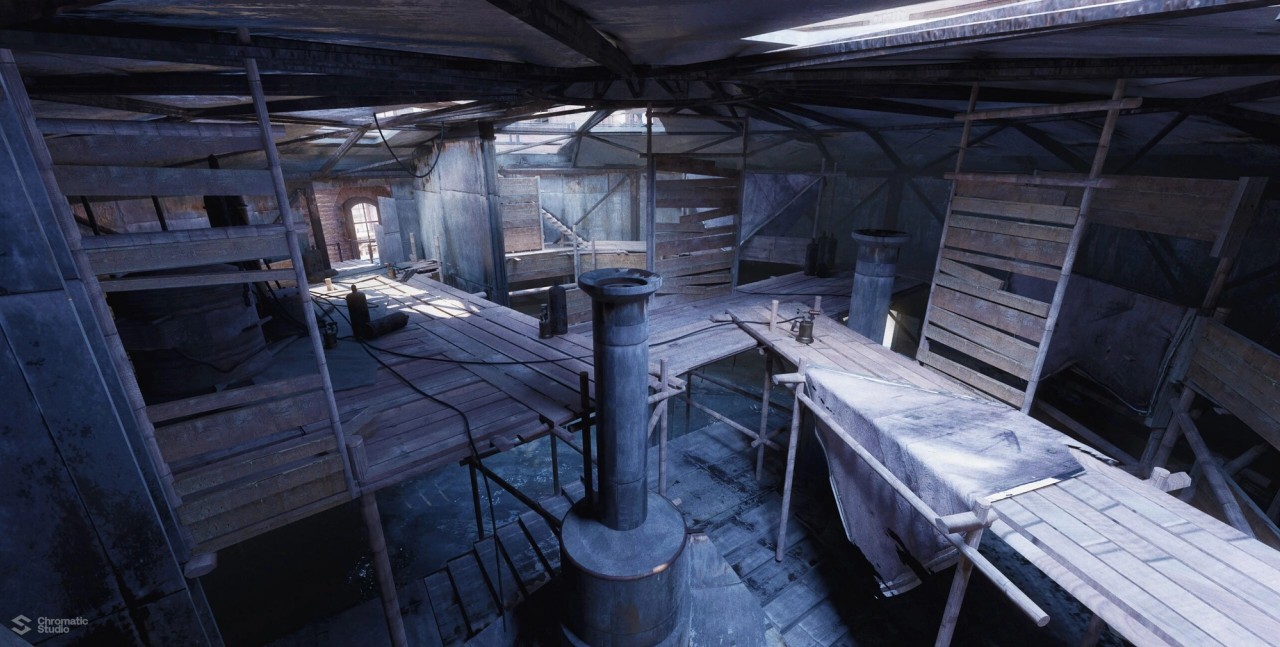
Much of our game work is for games players already know well. On Crytek's Hunt: Showdown 1896, led by our Supervising Art Director Simeon Schaffner, we designed new locations and characters for the game's newer maps. The challenge was finding new ideas that still felt like Hunt: places people in the 1890s could have built and worked in, with something in them that players had not fought around before.
Each location started as an annotated overview of the whole site, so the level team could plan where the boss building sits and how the site connects before anything was painted. Changes are quick to make at that stage, and the painted views that follow are built on a plan everyone has agreed.
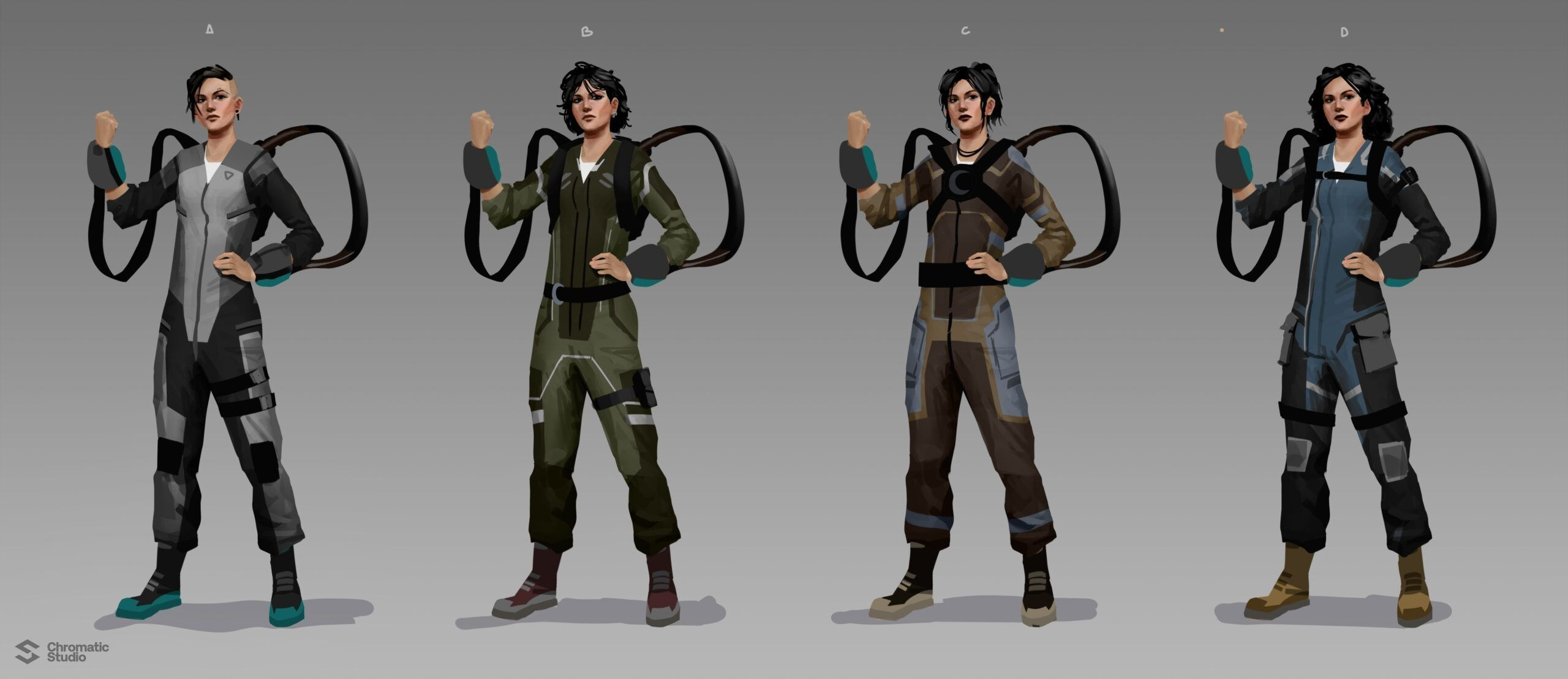
For Respawn's Apex Legends we worked with Psyop on Catalyst, designing both the character and her apartment. Her costume variations were all built around one fixed element, her kinetic-conduit harness, so every option stayed recognisably her.
We also made a top-down 3D floor plan of the apartment, so the room holds together from any camera angle. Designing a character and her space together keeps the two consistent when other teams pick them up.
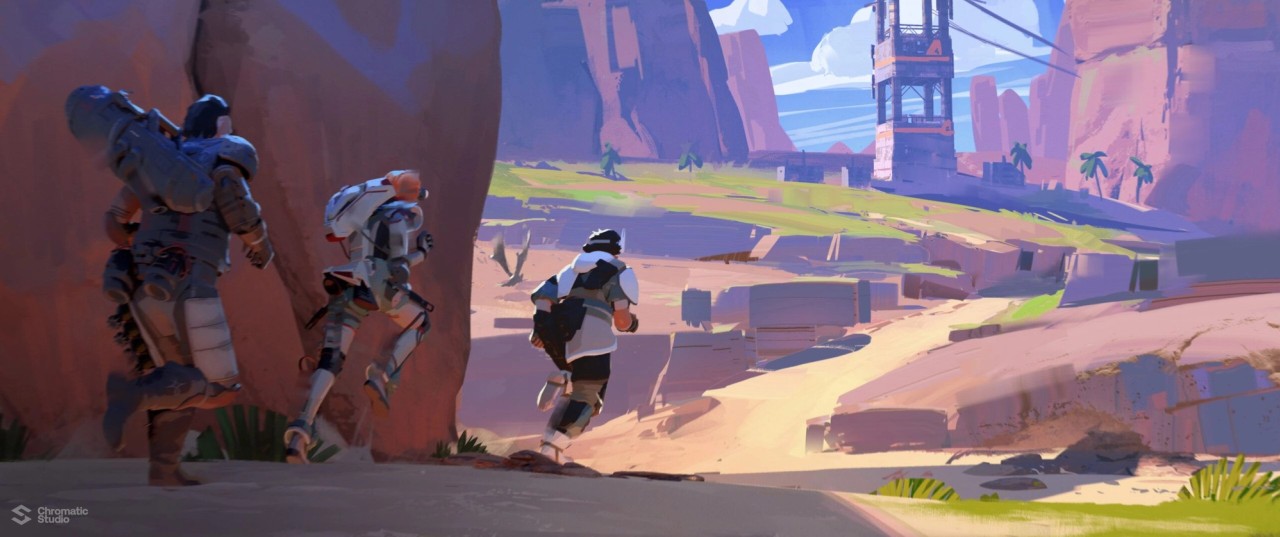
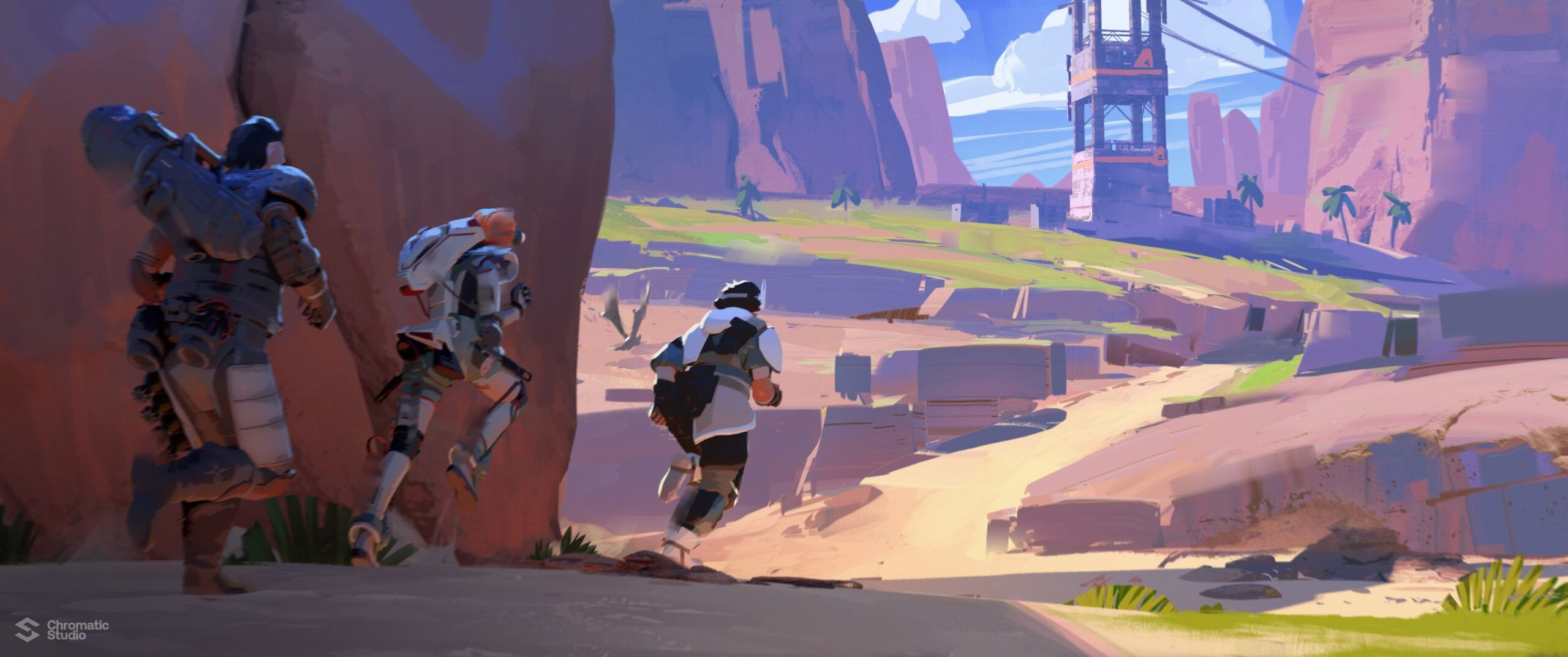
A key frame fixes the look of a moment before anyone animates, lights or renders it. On a game, one strong frame often does two jobs: it gives the lighting and cinematic teams a target during production, and it sets the tone for trailers and seasonal updates afterwards. We painted cinematic frames of this kind with Psyop for Apex Legends: Stories from the Outlands.
A concept is only useful if it can be built. We work in 3D as well as 2D, so alongside turnarounds, callouts and orthographic views we can send the 3D models behind our designs. Your modellers and environment artists start from real geometry instead of reading measurements off a painting.
We also paint over blockouts and in-engine captures so your team has a clear target, flag materials and construction, and match your existing documentation format so the work drops straight into your pipeline.
Before Chromatic, Creative Director Jad Saber and Supervising Art Director Simeon Schaffner were both concept artists on Naughty Dog's The Last of Us Part II. The studio later worked on the multiplayer project set in the same universe, and since then on Naughty Dog's Intergalactic and Playground Games' Fable.
We work across the whole development cycle: vision pieces for a pitch or greenlight, exploration in pre-production, designs for each character, location and prop in production, and new designs for seasons and updates after launch. On Apex Legends, our work with Psyop fed the game's seasonal updates and trailers.
One of our Art Directors leads every project: they choose the artists whose strengths fit your game, review every piece before it reaches you and are your day-to-day contact. We work inside your review tools and follow your naming and file conventions, with one artist for continuity or four to six during a heavy stretch of pre-production.
Most of our game work is still under NDA.
Our game clients include Naughty Dog, Crytek, Respawn Entertainment, Playground Games, Xbox Game Studios, Epic Games and Blizzard Entertainment. Much of this work is still under NDA.
Yes. A large share of our game work is on unannounced titles, always under NDA.
Yes. We start by studying your style guide, existing designs and in-engine captures, and one of our Art Directors reviews every piece for consistency before it reaches you.
Yes. We work in 3D as part of our design process and can send the 3D models along with the final concepts, turnarounds and callouts. Tell us the formats your pipeline uses in the brief.
Yes. Paintovers on level blockouts and in-engine captures are a regular part of our game work. They give your environment team a clear target for a space it has already laid out.
By day rate per artist, so the cost follows the team size and schedule. Art direction is included in that rate. Send us the brief, your timeline and the deliverables you have in mind and we will come back with a proposal.
We usually reply within 24 hours. Once the brief and deliverables are agreed, sketching typically starts in the first week.
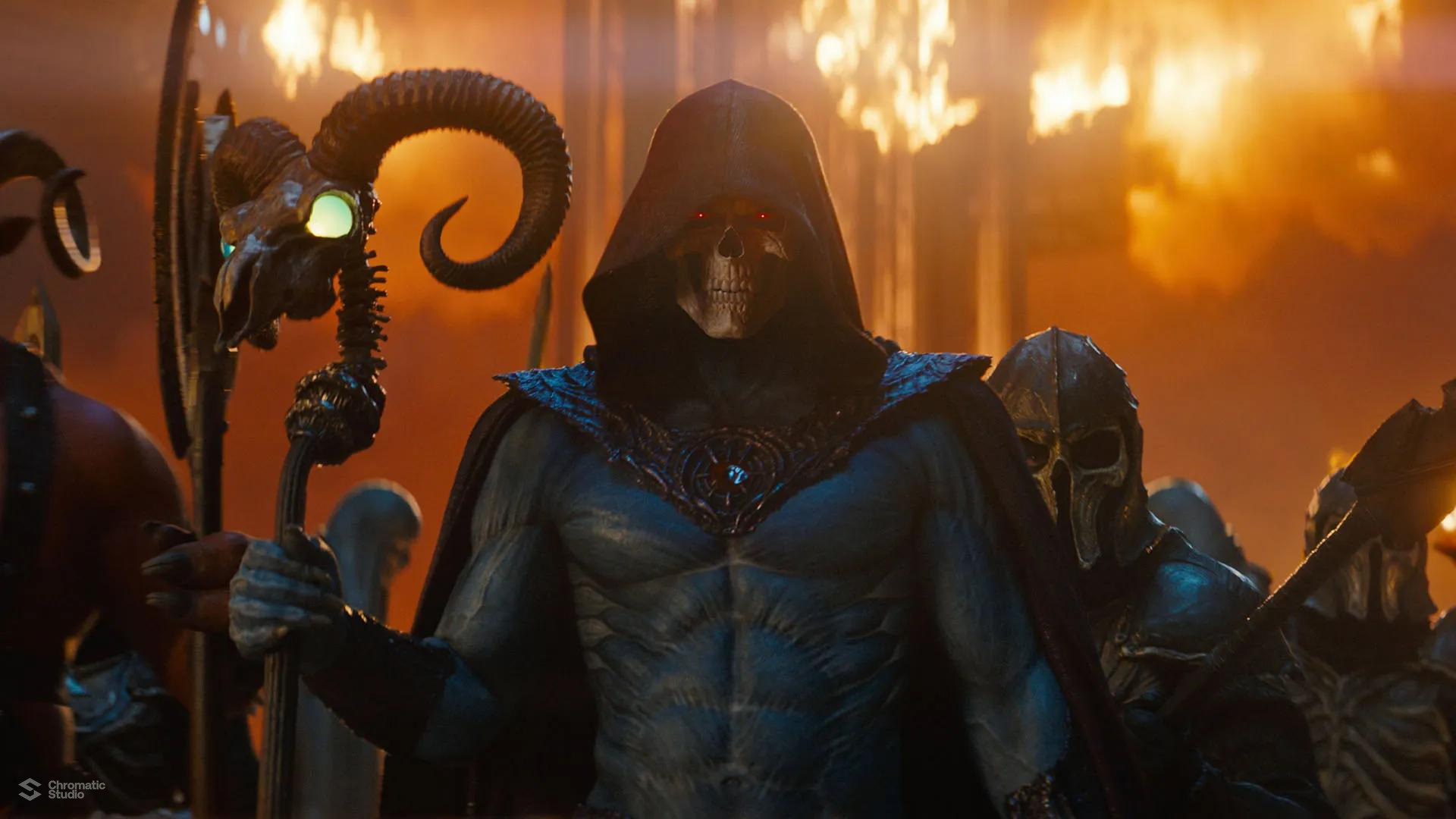 CharactersMasters of the Universe · Amazon MGM / MattelMemorable, believable characters from first silhouette to modelling-ready turnaround, for games and live action.
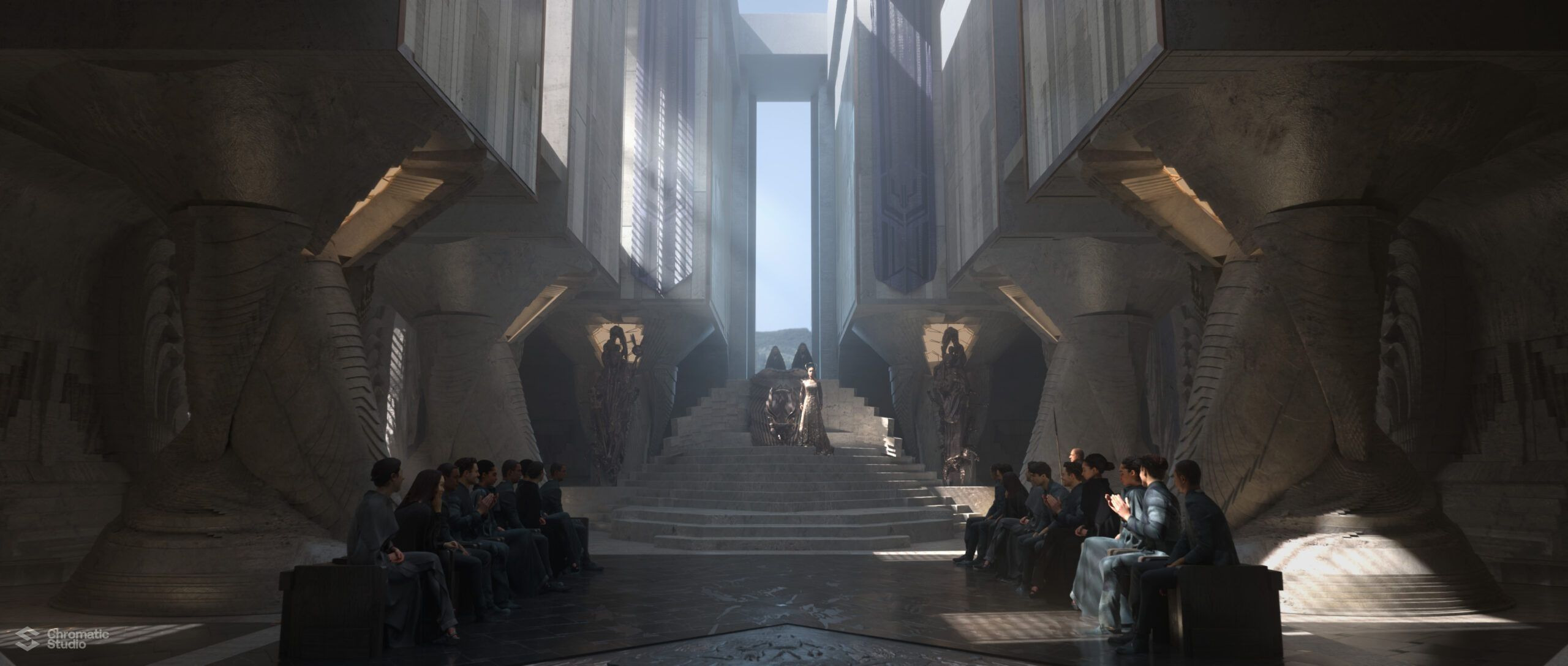 EnvironmentsDune: Prophecy · HBO / LegendaryWorlds, sets and levels with history and atmosphere, designed to be built in engine or on stage.
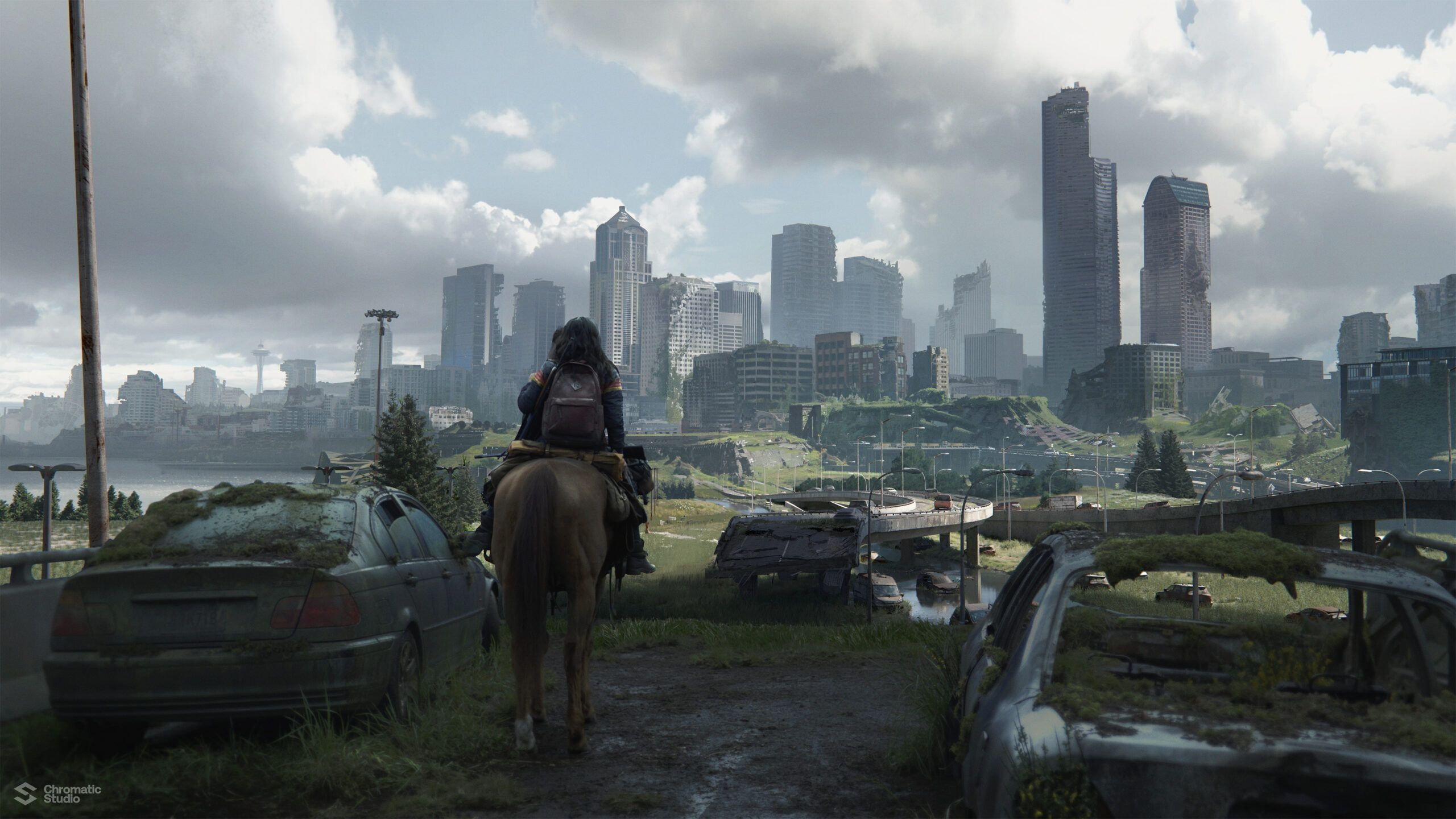 Film & TVThe Last of Us · HBOVisual development for production design and VFX: sets, characters and keyframes from pre-production to post.