A concept art studio is hired to design what a production will build, before modellers, set builders or VFX vendors spend time on it. At Chromatic Studio that has meant designing most of the characters, environments and sets for the Masters of the Universe film for Amazon MGM, key frames for Season 2 of HBO's The Last of Us and new maps for Crytek's Hunt: Showdown 1896. This guide sets out what a studio like ours delivers in 2D and 3D, and how a project runs.
What a concept art studio delivers
What you receive depends on what the work is for. A pitch needs a few finished images that sell a world to the people paying for it. Pre-production needs wide exploration, then a chosen direction worked out in detail. Production needs designs that a modeller, a costume department or a set builder can work from without guessing. We agree the purpose of each deliverable before anything else, because it decides the level of finish, the format and the price.
2D designs, turnarounds and callouts
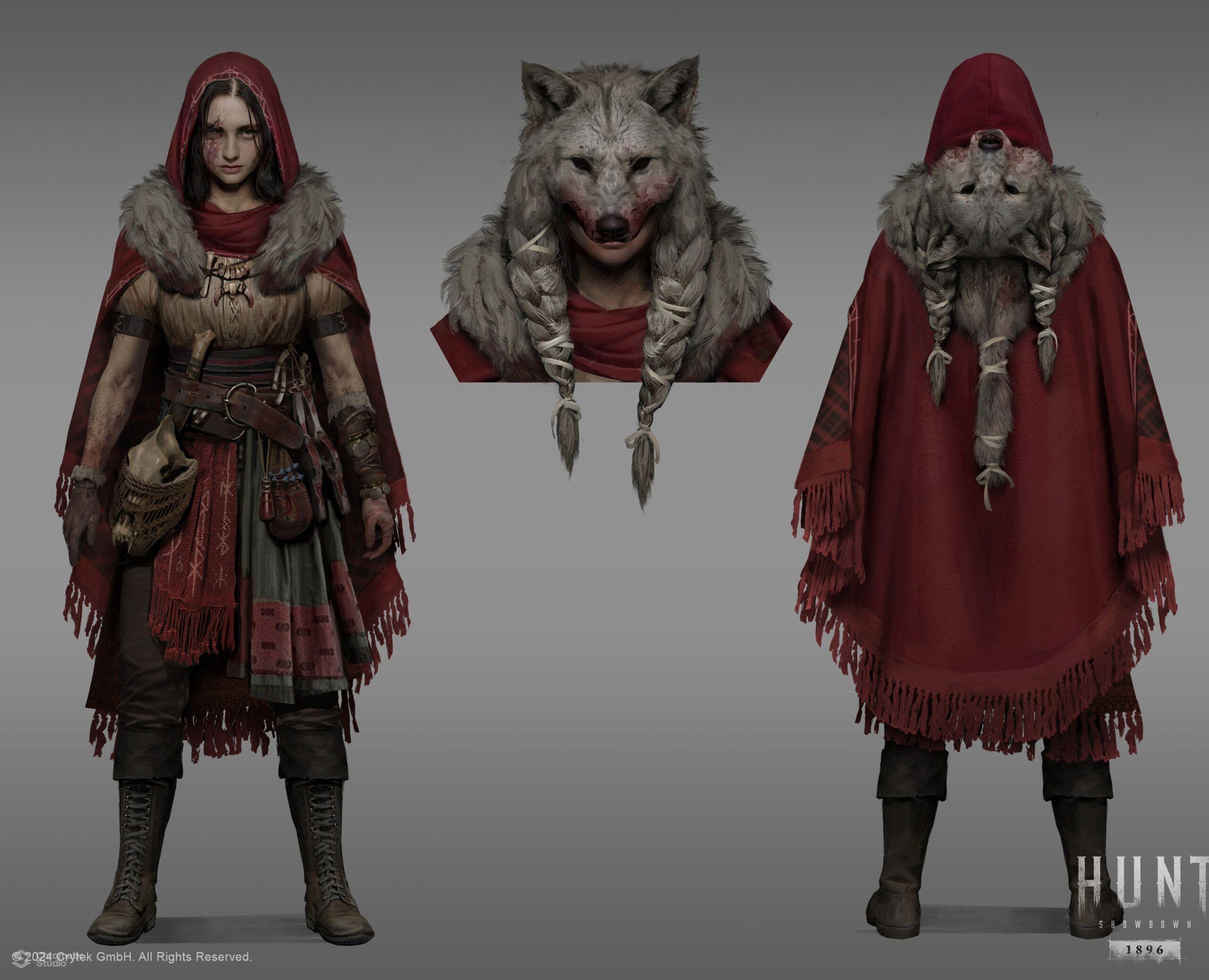
Most concept art is still delivered as 2D images. For a character, that usually means a final design with front and back views, close-ups of the face and props, and notes on materials and how the costume is put together. On Hunt: Showdown 1896, our sheets for characters such as Alice and Big Grin showed each one front and back, ready for the modellers.
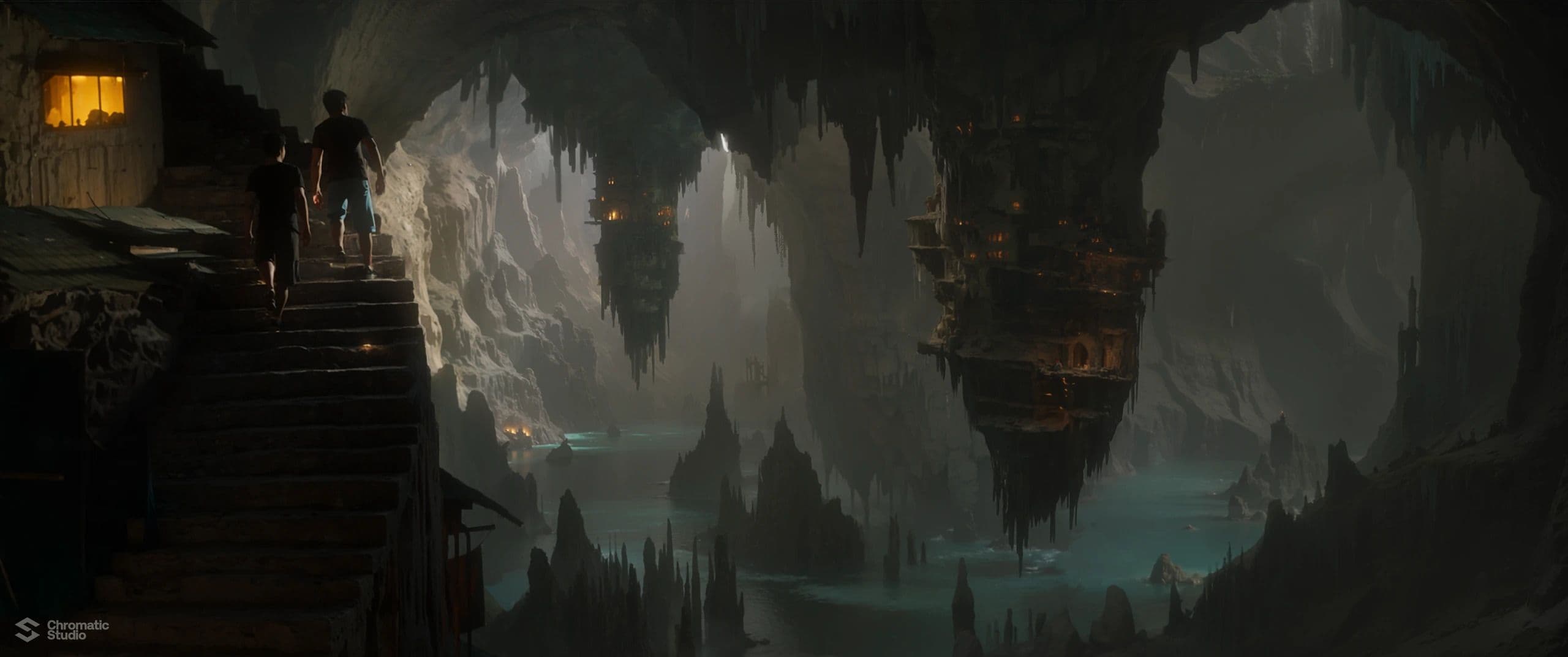
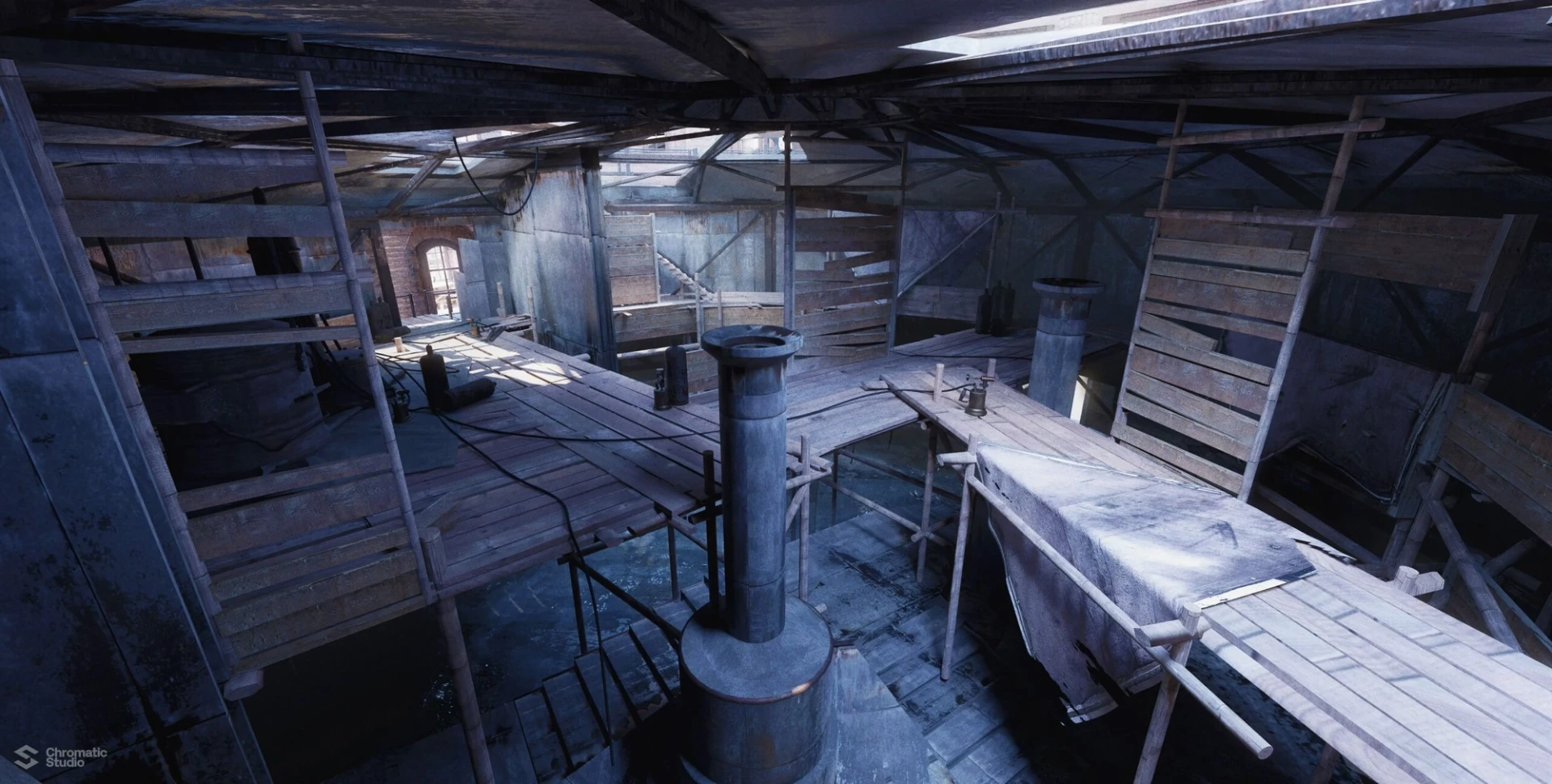
For environments, a studio delivers establishing views of a location plus layouts and detail sheets. Our Hunt work included an annotated overview of each map location, such as a riverside foundry and a logging camp, alongside designs for the buildings inside them. Our pages on character design and environment concept art describe these deliverables in more detail.
Key frames for film, TV and game cinematics
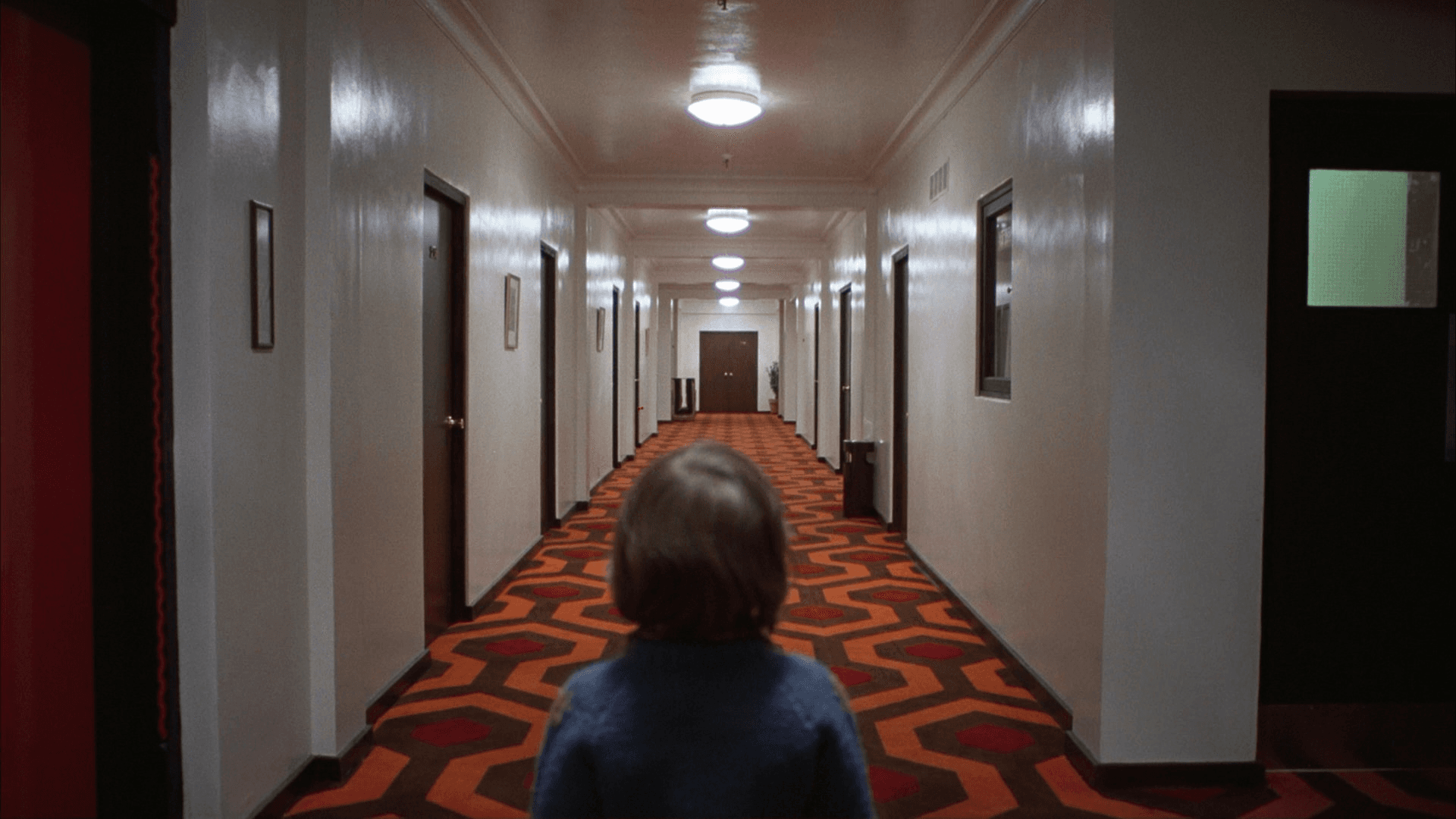
A key frame is a single, finished-looking image of one shot or moment. It settles light, weather, scale and mood on one picture, so every department works towards the same result. For Season 2 of HBO's The Last of Us, we produced key frames and environment designs for VFX Supervisor Alex Wang during post-production, which we describe in our article on The Last of Us concept art.
On HBO's Dune: Prophecy we worked with production designer Tom Meyer on environment designs and key frames for the world of the Bene Gesserit. Games use key frames too: with Psyop, we produced character and cinematic style frames for Respawn's Apex Legends.
3D models with the concept art
A design is only useful if it can be built. We work in 3D as well as 2D, so we can send the 3D models behind a design along with the final images, turnarounds and callouts. Your modellers and environment artists then start from real geometry with the proportions already solved, instead of reading measurements off a painting. Tell the studio which file formats your pipeline uses when you brief the work, not at delivery.
Paintovers on blockouts, captures and plates
Some of the most useful concept work is painted over images your team already has. In game concept art, we paint over level blockouts and in-engine captures, so the environment team has a clear target for a space it has already laid out.
On film and TV, paintovers on plates and early renders show VFX vendors what a finished shot should look like, which cuts the number of rounds it takes to get there. Our film and TV concept art page covers this post-production work.
How a concept art studio runs a project
At Chromatic, every project is led by one of our Art Directors, and art direction is included in every project. The Art Director reads the brief, chooses artists whose strengths fit the work, reviews every piece before it reaches you and is your day-to-day contact, so you never manage individual artists.
We work inside your review tools and channels and follow your naming and file conventions, as an extension of your art team. Team size follows your schedule: one artist for continuity, or four to six during a heavy stretch of pre-production. On Masters of the Universe we worked under production designer Guy Hendrix Dyas and designed most of the film's characters, environments and sets through pre-production. Our page on concept art outsourcing explains how we scope and staff this kind of work.
What to send a concept art studio
A useful brief covers what the work is for, the deliverables you have in mind, your schedule, and any style guide, references or existing designs you can share. A rough brief is fine, because the first call is there to shape it. We usually reply within 24 hours, and sketching typically starts in the first week once the deliverables are agreed.
Most of what we make is under NDA, so the projects on our site are a small part of our output. If you are planning a film, series or game and need concept art from a studio that has delivered for HBO, Naughty Dog, Crytek and Amazon MGM, get in touch.